
Mobile App Development
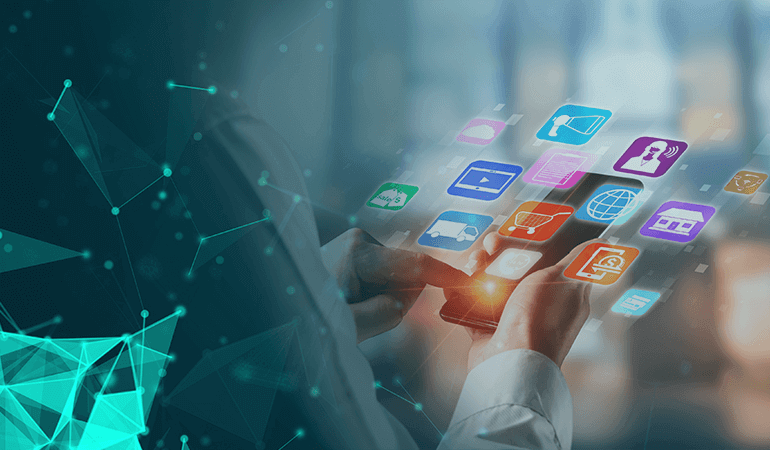
Mobile App Development
UI (User Interface) Design focuses on the visual and interactive elements of a digital product. It involves designing everything a user interacts with on a screen, including buttons, icons, typography, color schemes, and layout. The goal of UI design is to create visually appealing, consistent, and intuitive interfaces that align with a brand’s identity while enhancing usability.
UX (User Experience) Design, on the other hand, is about the overall feel and functionality of a product from the user's perspective. It includes user research, wireframing, prototyping, testing, and iterative improvements to ensure the product is easy to use, efficient, and satisfying. UX design aims to solve user problems and create seamless journeys that keep users engaged and coming back.
User Research & Empathy
Understand user behavior, needs, and pain points through research.
Wireframing & Prototyping
Design and test user flows with structured layouts and interactive models.
Visual Design & Interaction
Create intuitive and attractive interfaces with consistent visual elements.
We Organize Our
Production Process
- Architecture
- Accessibility
- Usability
Information Architecture (IA) is the practice of structuring and organizing content, features, and functionality in a way that makes it easy for users to find what they need. A well-thought-out IA ensures that the product is intuitive and navigable, reducing cognitive load and improving the overall user experience. It includes defining site maps, navigation schemes, categorization, and labeling systems that align with user expectations and mental models.
Accessibility in design ensures that digital products are usable by everyone, including people with disabilities such as visual, auditory, motor, or cognitive impairments. Inclusive design goes a step further by considering a wide range of human diversity, including age, language, and cultural background. Implementing accessibility features like keyboard navigation, screen reader support, color contrast, and descriptive alt text helps create equitable experiences for all users.
Usability testing involves observing real users as they interact with a product to identify usability issues, gather feedback, and validate design choices. This process helps uncover problems that might not be evident to designers or developers. By conducting usability tests at various stages of the design cycle, teams can iterate quickly, improve user satisfaction, and ensure the product meets user needs effectively.
We are Trusted
15+ Countries Worldwide

SoftTech,
Manager of Company
Moonkle LTD,
Client of Company
SoftTech,
Manager of Company